At Beonyx, performance isn’t just about what a machine can do. It’s also about where it can take us. In environments where traditional vehicles stall or fail, we designed the B1 to go further: carry heavier loads, navigate more demanding terrain, and adapt to challenges without compromising safety or sustainability. We’ve seen the B1 prove itself on the field time and again, leading to its next phase of commercialization.
Our commitment is reflected in the Beonyx brand philosophy: The Power to Trek Beyond. But what does “beyond” mean in the context of off-road innovation? To explore that question, we sat down with Beonyx co-founders Louis Déry and Michael Martel to learn more about how Beonyx came to life and where it’s headed next.
From Naming to Need: A Philosophy in Action
Beonyx didn’t come from theory. It was built to address real-world gaps the co-founders observed in the mobility market. “Vehicles currently on the market are too big, too wide, too slow, and not powerful enough to carry heavy loads at reasonable speeds,” Déry says.
“In addition to being ‘polluting, noisy, and lacking traction in demanding environments,’ they’re difficult to make autonomous because they weren’t designed for that purpose in the first place,” he continues.
Beonyx was created to offer a solution that’s not only more efficient but also more intelligent and adaptable, a quality reflected in the brand’s name. “The primary meaning of Beonyx is to be the benchmark for strength, safety, and stability in demanding environments,” Déry explains. “Onyx, this precious stone, represents strength, protection, and stability. Our goal is to be that strong company with a solution that offers more than currently available tools.”
This guiding principle has shaped the company’s mission and the product itself. As Déry says: “We want our customers to find in our vehicle the tool to improve their employees’ safety at work, productivity, and profitability. We want to make a difference and exceed their expectations. That’s the entire Beonyx philosophy.”
Smart Engineering That Adapts and Evolves
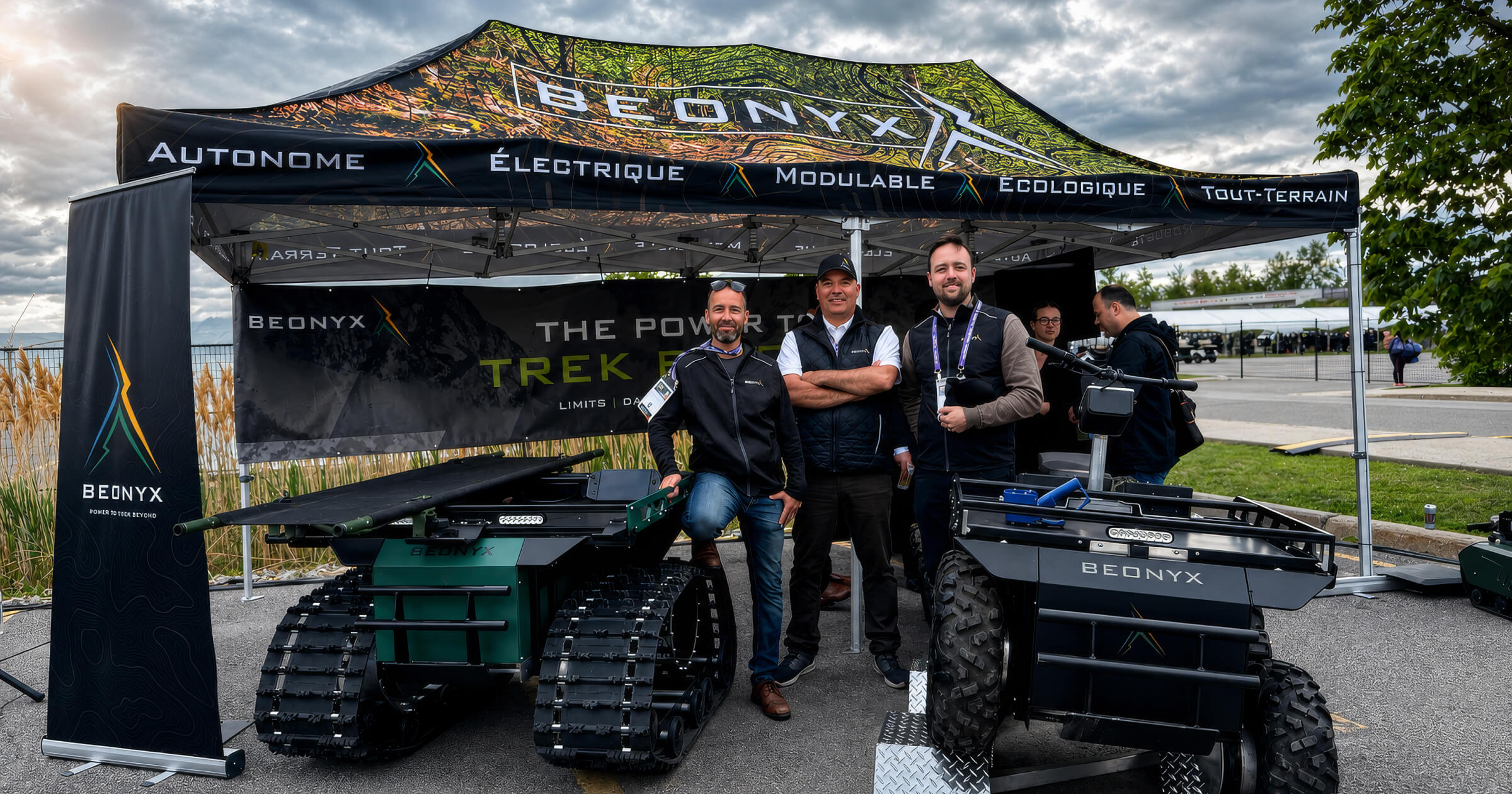
Turning the vision into a functional reality falls to Martel, who designed the B1 with a primary principle in mind: flexibility. “What makes the B1 fundamentally different is its modularity,” he explains. “You can design a completely different machine – longer, wider, higher – and it can adapt extremely quickly to different applications.”
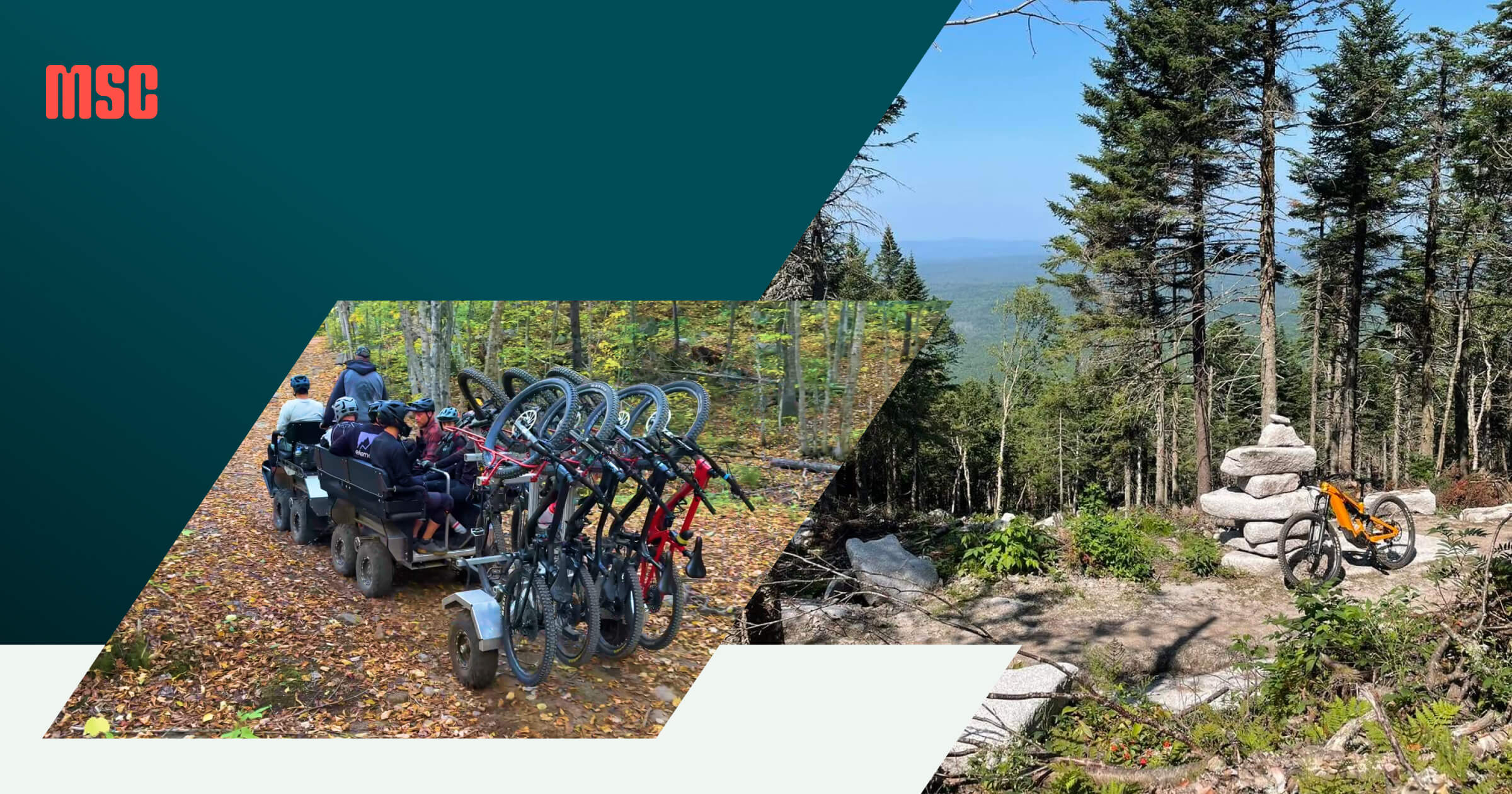
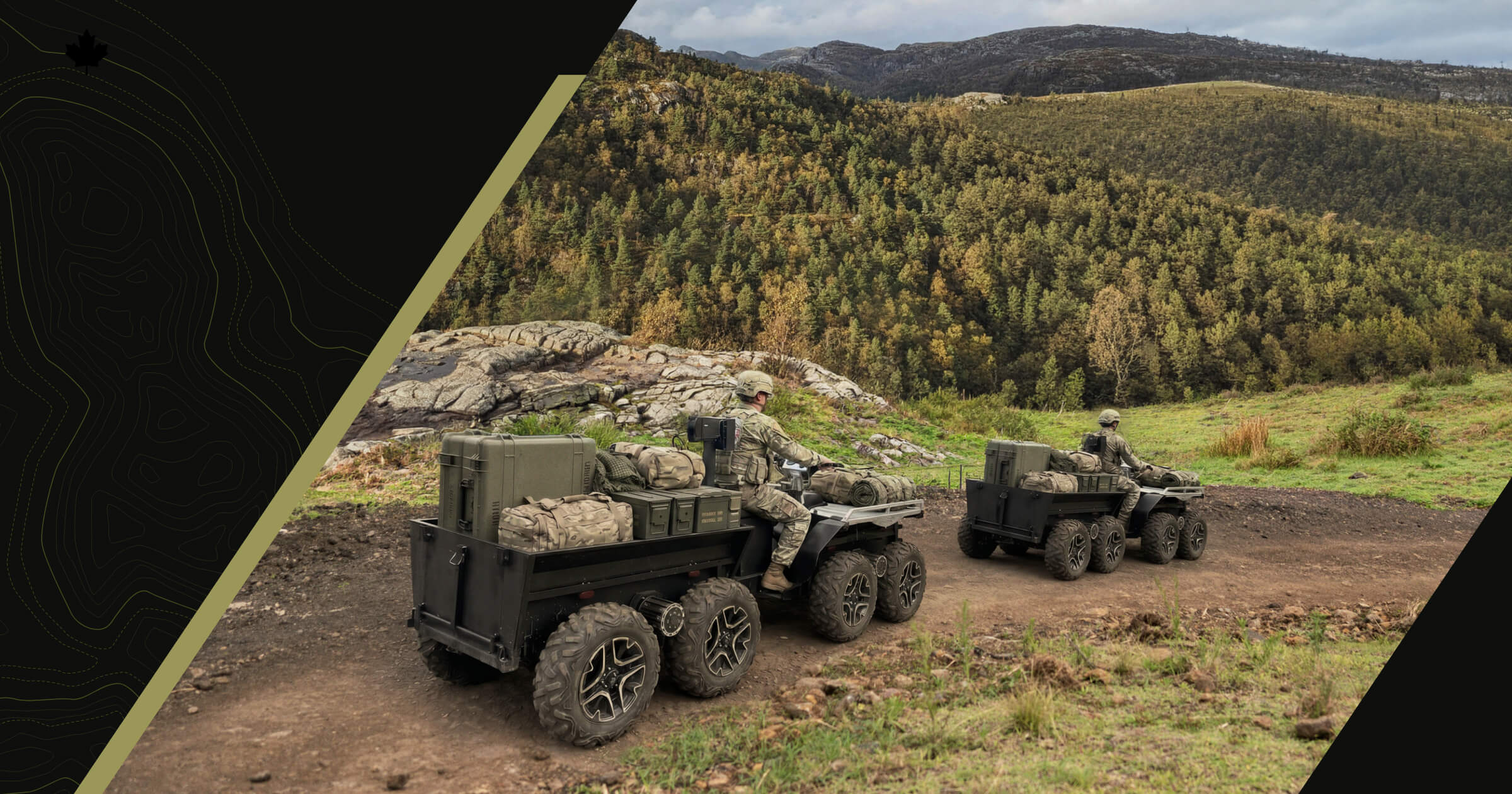
That adaptability enables the B1 to support a wide range of use cases, from transporting tourists across mountainous terrain to supporting airfield maintenance and defense operations.
Equally important, the vehicle can operate in multiple control modes: onboard, remote, and AI-integrated. “Normally, machines that are remotely controlled are only remotely controlled,” Martel says. “But we can drive it onboard, remotely control it, or integrate AI very easily.”
Martel describes the machine as a “Lego block,” designed to adapt to client needs. Additions such as attachments, payload modules, and advanced controls don’t require re-engineering. “Most modifications are low-cost and don’t disrupt our production,” he says.
Inspired By Nature, Tested in Nature
The B1’s design was largely inspired by nature. “The way the wheels move up and down and the frame flexes left and right – that’s really inspired by animals,” Martel explains. “Like a leg or arm moving with the terrain. We do the same thing.”
This approach ensures smoother movement, better grip, and minimal environmental impact, a rare combination for off-road vehicles. “Each wheel grabs the ground at the same pace. You never see one spinning,” Martel adds. “It’s quiet, low-impact, and safe.”
Developed in Quebec, the B1 is built to handle a full range of extreme environments, from -40°C winters to humid summer heat. “The battery heats itself, the cables stay flexible, and the tracks work in every condition we’ve encountered,” Martel says. “That’s a big advantage of designing here. We’re building for reality.”
What’s Next: Smart Scaling and Showing Capability
As the B1 enters commercialization, Beonyx is preparing to showcase the innovations that make it uniquely capable. A new Capabilities Series will offer deeper insight into the features customers often ask about, including control systems, bionic structure, and upcoming energy integrations.
One highlight Martel is excited to share more about is the integration of fuel cell technology.
“They convert propane or hydrogen into electricity with no noise, no moving parts, and practically no pollution,” he says. “We can reduce battery size, lower costs, and extend autonomy. It’s a huge step forward.”
From its name to its engineering, Beonyx was created to challenge assumptions about what mobility can look like. It’s not just an electric off-road vehicle. It’s a platform designed to solve real problems where reliability and safety are paramount. Whether used for tourism, logistics, defense, or another industry, the B1 isn’t just built to perform. It’s built to evolve, and in doing so, it’s redefining the standard for what an all-terrain machine should be.