At the end of March, Beonyx reached a significant milestone: delivering three autonomous B1 vehicles to a new client in the United States. Designed to assist with runway debris collection, these autonomous machines represent more than just a new use case—they signify the next phase in the B1’s evolution.
Built for Autonomy from the Start
Unlike many off-road vehicles later modified for automation, the B1 was designed from the ground up to accommodate autonomous capabilities. It can be operated in three ways: using a conventional pilot station, by remote control, or autonomously. What sets it apart is the flexibility of its electric articulation steering system – no manual input is required, which makes artificial intelligence integration seamless.
The autonomous B1 features a specialized “autonomous head” with advanced sensors and positioning systems. Algorithms analyze the terrain and surroundings, then send commands to the vehicle to perform specific tasks. Depending on the environment, GPS and other techniques may be employed to guide the vehicle’s movement safely and efficiently.
No retrofits or compromises are needed — the B1 was engineered for autonomous integration from day one. The wiring layout, steering system, and modular control center are all designed to support both current and future AI systems with minimal friction.
What Autonomy Looks Like in Action
With its autonomous capabilities, the B1 can:
- Follow and repeat a pre-recorded path
- Inspect defined zones without the need for manual guidance
- Automatically activate in designated areas
- Travel from one point to another while choosing the safest or most efficient route.
These tasks can be activated from a mobile device or programmed in advance. Over the next twelve to twenty-four months, Beonyx anticipates that the B1 will be capable of returning autonomously to its home base, performing route inspections, and operating independently in complex terrain.
Real-World Impact Across Industries
The autonomous B1 is not only a technological marvel, but also a practical solution for various demanding industries:
- Airport Safety: One of our partners in the U.S. is developing a solution in which the B1 autonomously collects debris left behind on airport runways, enhancing safety while reducing operational strain.
- Mining and Tunnel Inspection: The B1 can perform inspections in narrow galleries, transport materials, and operate safely in environments that are hazardous to workers.
- Forestry and Surveillance: The B1’s robust, zero-emissions design allows it to patrol remote terrain without disturbing sensitive ecosystems.
- Municipal Services: The B1’s potential future uses include watering city planters, maintaining trails, and collecting waste in urban areas – all autonomously.
- Emergency Response: In disaster zones and hazardous areas, the B1 can autonomously deliver supplies, assess terrain, and support rescue missions without risking human lives.
- Agriculture: The B1 can assist with crop monitoring, land surveying, or terrain preparation in areas that are hard to access for traditional equipment.
Why the B1 Stands Apart
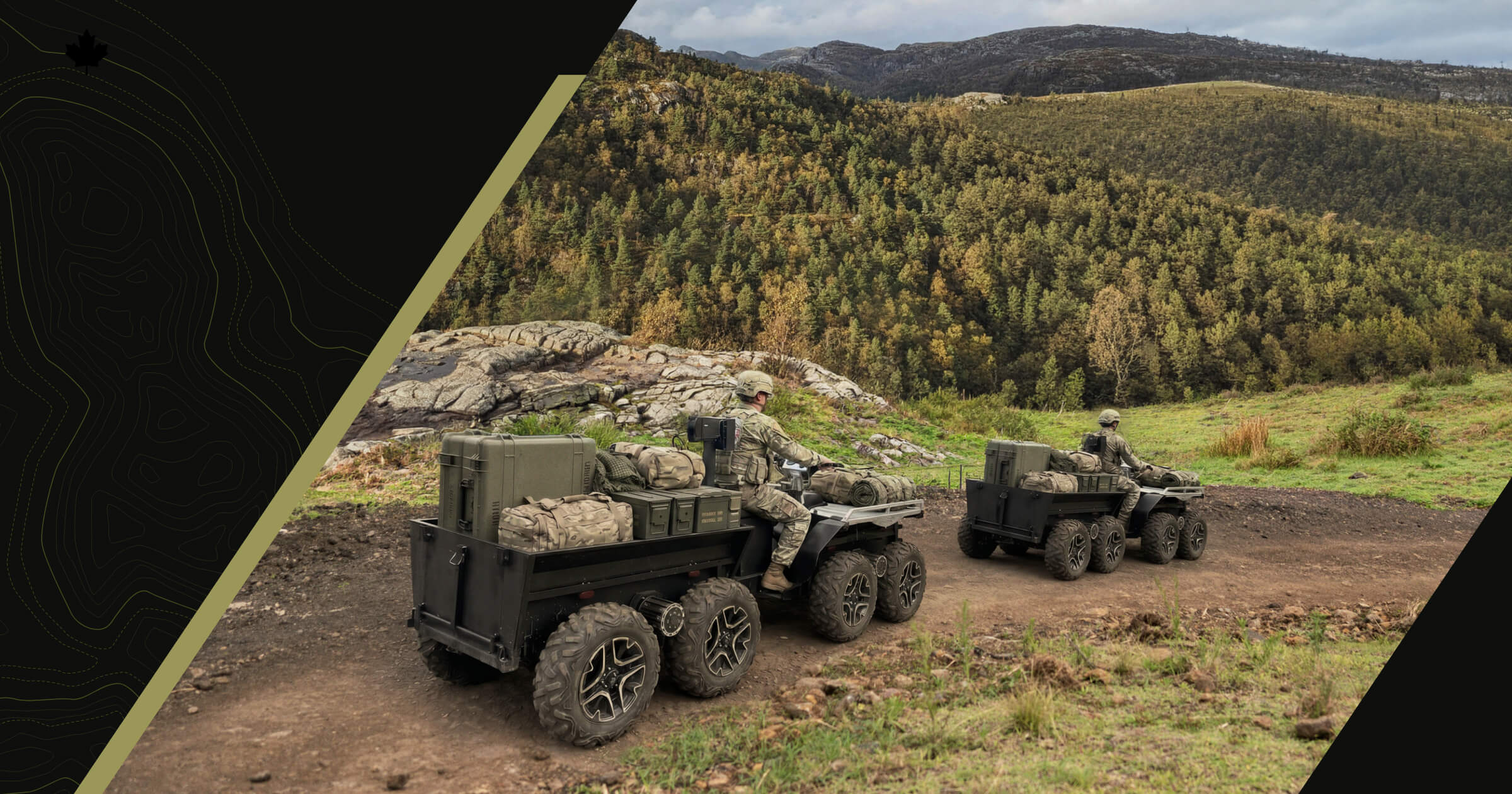
Beyond its autonomy, the B1 offers unmatched strength and flexibility. It can carry up to 3,000 pounds of materials over steep, rugged terrain – even stairs – while maintaining stability and precision. Additionally, thanks to its cold-weather programming, the B1 remains operational even in sub-zero temperatures—ideal for snowbound environments and year-round operations in remote locations. Its modular design and low-maintenance system reduce downtime in demanding settings, whether for disaster response, remote research, or municipal upkeep.
As co-owner and lead engineer Michael Martel noted, “The autonomous feature is not our biggest asset – extreme all-terrain performance is.”
“What we realize with our early buyers is that the multi-use and multi-season capability is mandatory for them,” he continued. “They are willing to pay more for the B1 because of the versatility — and we do not want to make any compromises on performance, even in winter.”
What truly sets the B1 apart is its seamless blend of extreme all-terrain capability and autonomous functionality. As Martel explained, while autonomy will eventually reduce operating costs and increase profitability, its real strength today lies in doing what no other ATV can—effortlessly converting to autonomous mode when needed.
The March delivery of three autonomous B1s is only the beginning. We are collaborating closely with AI partners to refine and enhance the B1’s capabilities as development progresses. The goal? To provide a fully integrated autonomous solution that addresses the complex demands of modern industries.
Martel believes the B1’s ongoing evolution will continue to push boundaries. “This is our biggest differentiator, and we need to beat companies that have 70 years of development ahead of us,” he said. “We need to make sure our early clients are perfectly satisfied — their advice is invaluable to our growth.” At Beonyx, autonomy is not merely a feature; it is integral to our larger mission: to build smarter machines that go where others cannot and do what others will not.